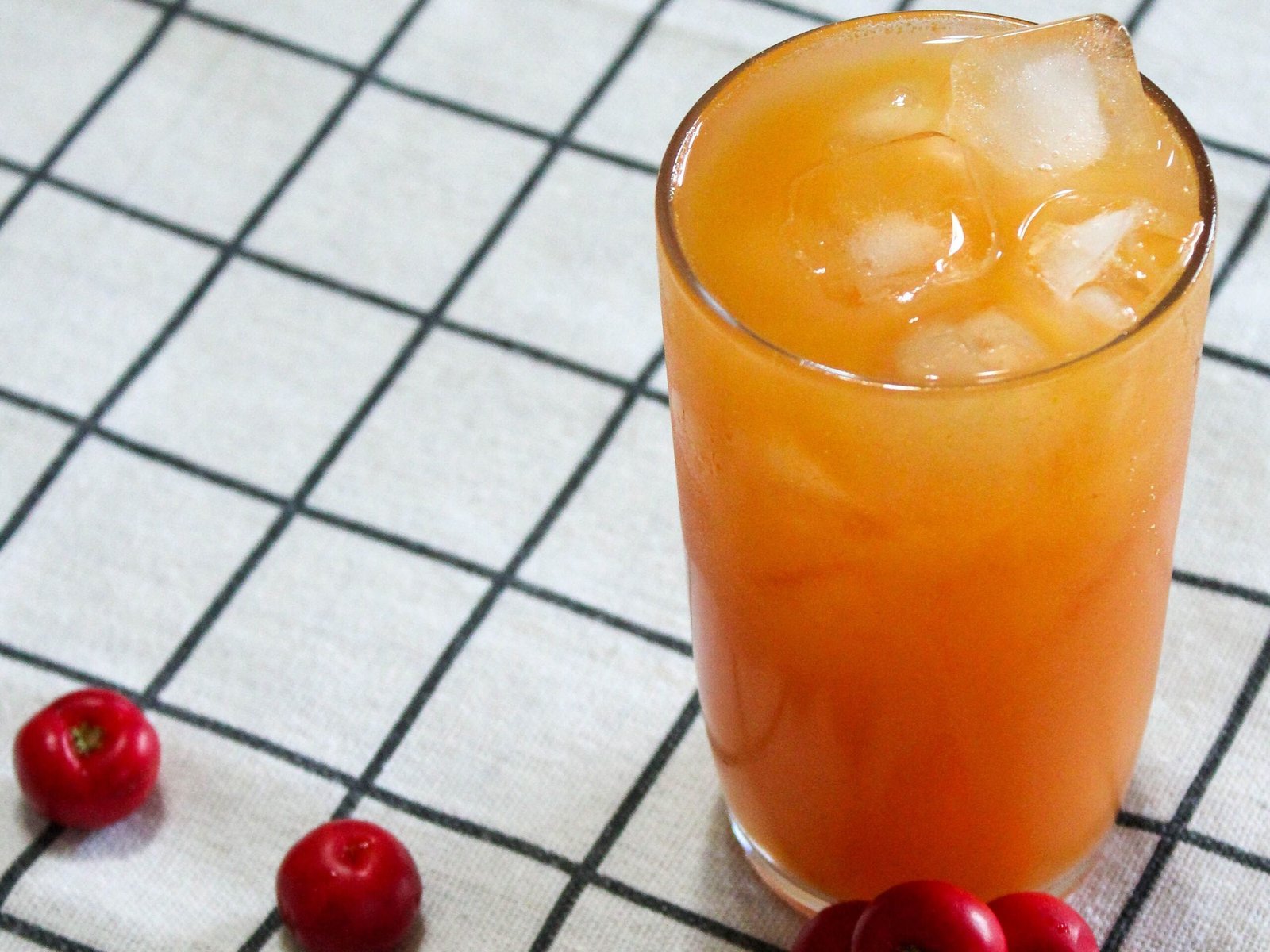
Jugo de Acerola (Puerto Rican Acerola Juice)
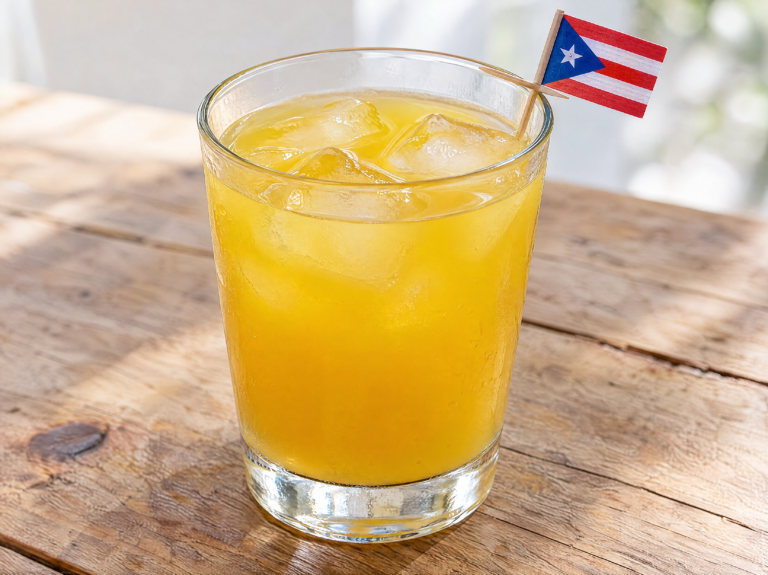
The first sip of jugo de acerola should have a little tang. Sugar softens the sharpness, but the fruit’s bright flavor is what makes this drink worth preparing. Served cold over ice, it is a simple combination of acerolas, water, and just enough sweetness.
What draws me to this recipe is how much control it gives you. You can keep the juice lively and tart, sweeten it a little more, or dilute it for a lighter drink with lunch. There is no need for an elaborate ingredient list.
From a backyard harvest to a pitcher of juice
Acerola resembles a small cherry, although it is a different fruit. In a personal account on What’s Rose Cooking, the author describes picking acerolas from an aunt’s tree in Aguada during a Mother’s Day visit and using the harvest for both juice and jam. It is a lovely example of a homegrown ingredient becoming something to share. What’s Rose Cooking
Fresh fruit is a good starting point when you can find it. Choose ripe acerolas and use them promptly. If fresh fruit is unavailable, unsweetened frozen pulp offers another way to make the drink. Check the package carefully: plain fruit pulp, sweetened juice concentrate, and ready-to-drink juice require different amounts of water and sugar.
Stop blending before the seeds break down
The most useful distinction in this recipe is between loosening the fruit and puréeing everything in the blender. You want the soft flesh to release into the water while leaving the seeds mostly intact.
Berríos’ Puerto Rican acerola juice recipe also emphasizes blending lightly and preserving the seeds before straining. Short pulses make it easier to watch that change and stop at the right point. Berríos te da más
Once the mixture reaches the strainer, gently move the pulp with a spoon. Pressing the soft fruit helps extract the juice; grinding the seeds into the mesh does not improve the drink. The finished juice can be slightly cloudy without containing gritty pieces.
Taste before committing to the sugar
Two batches of fruit can need different amounts of sweetener. Begin with half the measured sugar, dissolve it completely, and taste before adding more.
Adjust the water separately. Sugar changes sweetness, while water reduces the intensity of the whole drink. Adding too much of both at once can leave you with a sweet but faintly flavored pitcher.
Remember that melting ice will dilute each glass a little further. For that reason, keep the pitcher cold and add ice only when serving.
This juice fits naturally beside a savory lunch such as Pollo Guisado. Its tartness provides a refreshing sip between bites of the rich sauce and rice.
Make a batch you can enjoy while it is fresh, and give the pitcher a quick stir before pouring. A little settling is normal in homemade fruit juice.
Jugo de Acerola (Puerto Rican Acerola Juice)
Equipment
- Blender with a pulse setting
- Fine-mesh strainer
- Large bowl
- Measuring jug
- Pitcher
- Spoon
- Measuring cups and spoons
Ingredients
- 1 lb ripe fresh acerolas 454 g
- 3 cups cold water 720 ml, plus more as needed to make 4 cups of finished juice
- 1/4 cup granulated sugar 50 g, or less to taste
- Ice for serving
Instructions
- Sort through the acerolas, discarding any moldy or spoiled fruit. Remove stems and leaves, then rinse the fruit thoroughly under cool running water.
- Place the acerolas and 3 cups of cold water in a blender. Work in batches if needed, staying below the blender’s maximum fill line.
- Pulse briefly, checking after each pulse, just until the flesh separates from the seeds. Stop while the seeds remain mostly intact. Do not blend continuously or try to make a completely smooth mixture.
- Set a fine-mesh strainer over a large bowl or measuring jug. Pour in the fruit mixture and gently stir and press the soft pulp with the back of a spoon to release the juice. Do not grind the seeds against the mesh. Discard the seeds and skins left in the strainer.
- Stir 2 tablespoons of the sugar into the strained juice until dissolved. Taste and gradually add the remaining sugar if needed. The finished drink should retain some of the fruit’s natural tartness.
- Add enough cold water to bring the total volume to 4 cups (960 ml). Stir and taste again. If you prefer a milder drink, add a little more water, noting that this increases the yield.
- Pour into glasses over ice and serve immediately. Stir the pitcher before pouring additional servings because natural settling can occur.