Jugo de Guanábana
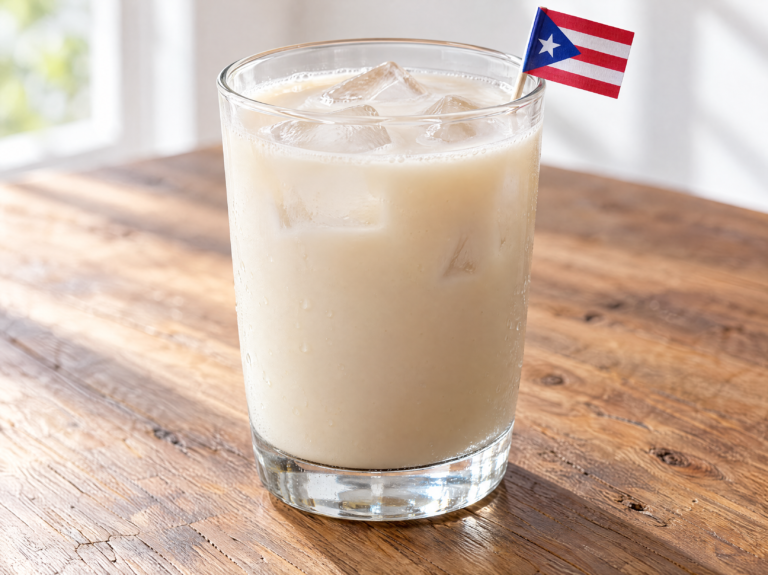
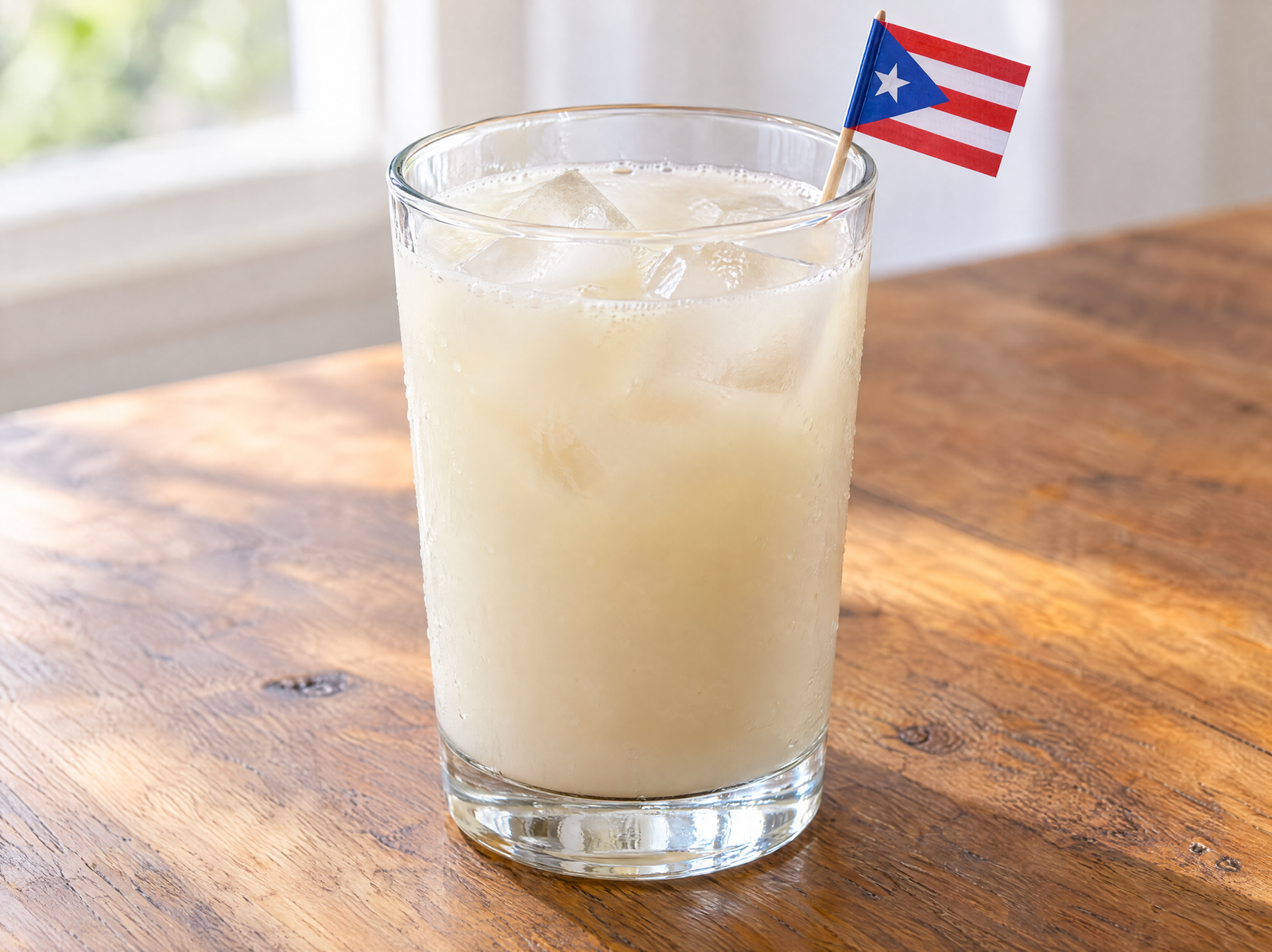
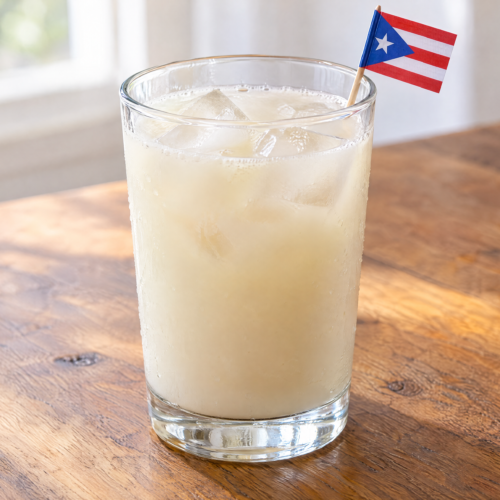
Guanábana gives this juice a creamy-looking texture before any milk enters the picture—and in this recipe, none does. Its soft white pulp blends with cold water into a pale, fruity drink with a gentle balance of sweetness and tartness.
I chose to keep this version simple because guanábana deserves to be the main flavor. There’s no second fruit or flavored syrup competing with it: just pulp, water, and sugar adjusted to taste. It’s the kind of drink that fits beside lunch as easily as it does an afternoon snack.
If you’re shopping for it outside Puerto Rico, look for soursop, the English name for guanábana. Unsweetened frozen pulp is convenient when ripe whole fruit is difficult to find, and it makes this a roughly ten-minute recipe once thawed.
Start with 400 grams of prepared fruit
The quantity in the recipe refers to cleaned, seedless pulp, not the weight of a whole guanábana. When buying packaged pulp, check that it is unsweetened and suitable for use without cooking, following the preparation directions on the label. Sweetened nectar and concentrated products won’t give the same result with these measurements.
Thaw frozen pulp in the refrigerator before using it. Having it chilled and soft enough to blend means you won’t need ice in the blender, which would change the texture and dilute the drink as it melts.
Fresh guanábana works too, but allow extra preparation time. Wash the outside before cutting, scoop out the white flesh, and remove the skin, firm central core, and every seed. Check carefully before weighing the pulp and putting it in the blender. Straining afterward is not a substitute for removing the seeds first.
With the fruit ready, blend it with the sugar and 1½ cups of cold water. Hold back the rest of the water until you can see the consistency.
This is where you can decide how you like your juice. If the blended pulp is smooth enough to drink, leave it as it is for a fuller texture. If there are noticeable tough fibers, pass it through a fine-mesh strainer, pressing gently with a spoon.
Let the foam settle, then add enough cold water to bring the finished drink to four cups. That final measurement is more useful than pouring in a fixed amount of water at the start, because different pulps—and the choice to strain—affect the yield.
Taste before adding the last bit of sweetness
Guanábana has a distinctive sweet-tart flavor, but its sweetness varies with the fruit and the pulp brand. The recipe lists ¼ cup of sugar for four servings. For a less-sweet pitcher, begin with two tablespoons and add more only after blending and tasting.
The finished juice should pour easily while retaining a little body. If you prefer it thinner, add another small splash of cold water, knowing that this will increase the yield and soften the flavor.
Serve it cold, adding ice to each glass rather than to the whole pitcher. For a savory breakfast pairing, try it with a tortilla puertorriqueña de jamón y queso. At snack time, warm arepas de coco offer a lightly sweet accompaniment.
If you enjoy drinks with a naturally milky appearance but no dairy, horchata de ajonjolí is another recipe to explore. Its toasted sesame flavor is quite different from guanábana’s fruity brightness.
This juice is best freshly blended. Cover and refrigerate any extra promptly, and use it within one to two days—or sooner if the pulp package specifies. A little settling is normal; a thorough stir brings the drink back together before pouring.
Jugo de Guanábana
Equipment
- Blender
- Kitchen scale
- Measuring cups and spoons
- Pitcher or measuring jug with volume markings and at least 1.5-liter capacity
- Long-handled spoon
- Four serving glasses
- Fine-mesh strainer, optional
- For whole fruit:
- Knife
- Cutting board
- Spoon
- Bowl
Ingredients
GUANÁBANA DRINK
- 400 g unsweetened seedless guanábana (soursop) pulp, chilled and thawed if frozen
- ¼ cup granulated sugar 50 g
- Cold drinking water approximately 2¼ cups (530 ml), or enough to bring the finished drink to 4 cups (approximately 950 ml)
OPTIONAL FOR SERVING
- Ice cubes as desired
Instructions
- Check that the guanábana pulp is unsweetened, completely seedless, and suitable for use without cooking according to its package instructions. If frozen, thaw in the refrigerator before using.
- Place the pulp, sugar, and 1½ cups cold water in the blender. Reserve the remaining water for adjusting the finished volume.
- Blend for 30–60 seconds, until evenly combined and smooth enough to drink. Stop and scrape down the blender if needed. Do not blend any seeds.
- For a smoother drink, pour the mixture through a fine-mesh strainer into a measuring pitcher, pressing gently with a spoon. Discard tough fibers. Skip straining if the pulp is already smooth and you prefer a fuller texture.
- Let any foam settle briefly, then add cold water gradually until the finished drink reaches the 4-cup mark. Stir thoroughly. The exact water quantity will depend on the pulp and whether you strain it.
- Taste the juice. It should be gently sweet-tart with a clear guanábana flavor. If needed, add sugar 1 teaspoon at a time and stir until dissolved.
- Divide among four glasses, approximately 1 cup per serving before ice. Add optional ice to each glass and serve immediately.
- Cover and refrigerate any remaining juice promptly. Stir before pouring because the fruit pulp may settle.