Jugo de Tamarindo
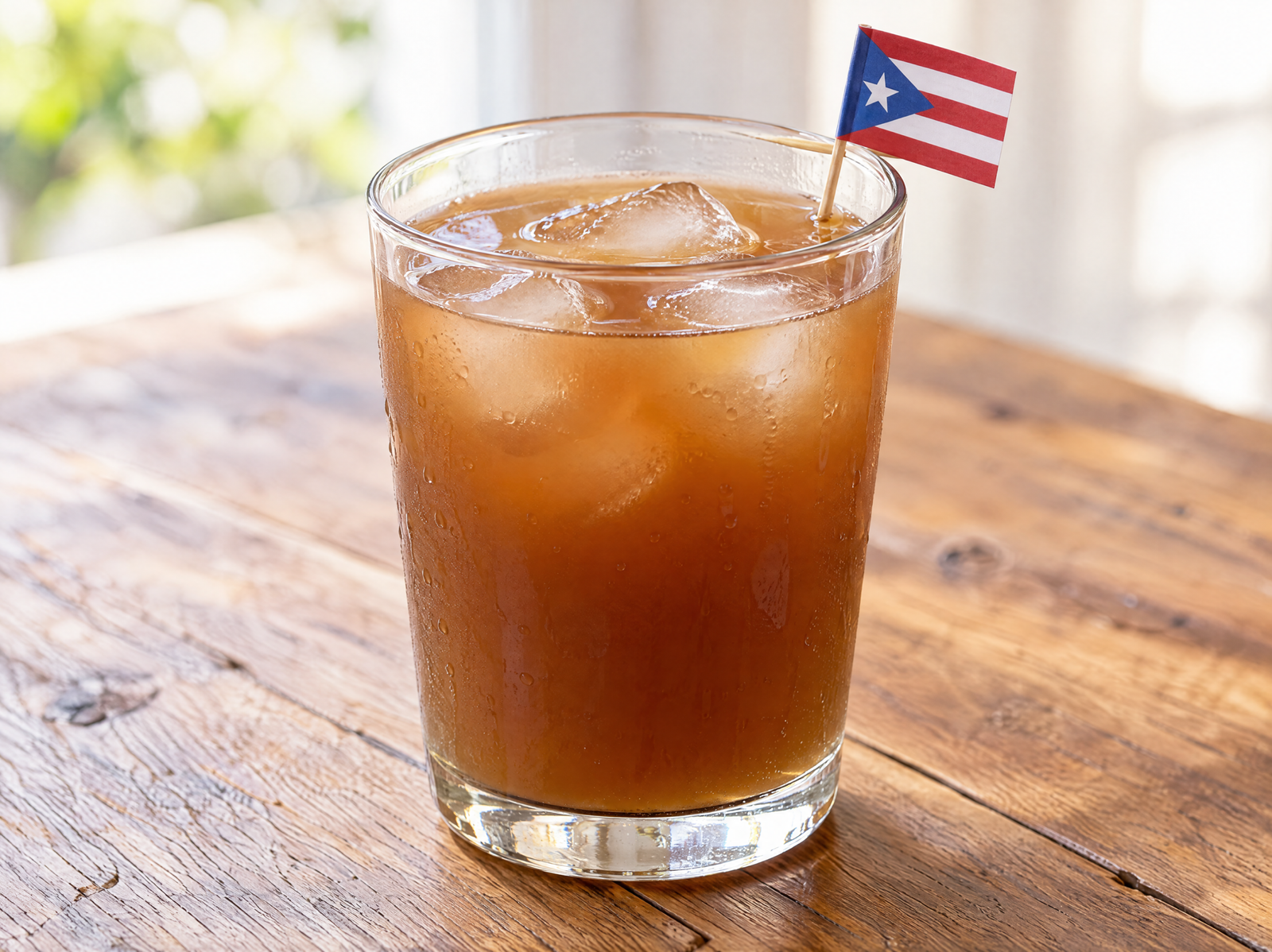
Tamarind brings a sharp, fruity tang that makes a cold glass of jugo de tamarindo especially refreshing. Sugar softens that sourness, but the drink should still taste unmistakably of tamarind. Its natural brown color and slight cloudiness are part of its character.
One reason I wanted to include this recipe on Cocina Hacks is that you can adjust the balance yourself. Making a pitcher at home lets you keep more of the fruit’s tartness or add a little extra sweetness.
This Puerto Rican-style refresco uses just tamarind, water, and sugar. The pulp is briefly simmered, soaked, and strained before the drink is sweetened and chilled. Prepare it ahead of lunch so it has time to cool before everyone sits down.
Choosing and preparing the tamarind
The most important choice happens at the store. This recipe calls for 150 g of plain, unsweetened, seedless tamarind pulp from a pressed block. Concentrated cooking paste, sweetened syrup, and bottled nectar can differ considerably in strength and sweetness, so they aren’t direct substitutes.
Even a block labeled “seedless” deserves a quick check. Break it into smaller pieces and remove any remaining seeds, shell fragments, or coarse fibers before cooking.
If you’re starting with whole pods, weigh 150 g of edible pulp after removing the shells, seeds, and stringy fibers. Preparing whole pods takes additional time, but you can then use the cleaned pulp as directed in the recipe.
The aim is to soften the tamarind enough to release its flavor into the water. Simmer it gently in three cups of water for 10 minutes, stirring occasionally and pressing the pulp with a wooden spoon. Then take the pan off the heat and leave the tamarind to soak for 20 minutes.
Keep all the soaking liquid—it forms the base of the drink. Pour the entire mixture through a fine-mesh strainer set over a clean, heatproof bowl or jug.
Use a spoon to gently press the liquid and soft pulp through the strainer, leaving the tough fibers behind. There’s no need to force every last bit through. The finished juice should have a little body while remaining easy to pour.
Mix the juice, then adjust the flavor
Stir the sugar into the strained liquid while it is still warm so it dissolves easily. The recipe uses ½ cup for six servings; if you prefer less sweetness, start with ⅓ cup.
Next, add enough cold water to bring the finished drink to a total of six cups. Measuring the final volume accounts for evaporation during simmering and the amount of pulp that passes through the strainer.
Stir thoroughly, then taste. Tamarind varies in acidity, so the listed amount of sugar is a starting point. Add more a tablespoon at a time if needed, stirring until dissolved between additions. If the flavor is too concentrated for your liking, a little extra water will soften it, though this will increase the yield beyond six cups.
Cover and refrigerate promptly after adding the cold water. Chill for about two hours, or until thoroughly cold, and stir before pouring. Add ice to individual glasses to keep the remaining juice in the pitcher from becoming diluted.
A cold glass pairs well with Puerto Rican pollo guisado, with the tamarind’s tang offering a contrast to the savory stew. For another day, try jugo de guanábana for a fruit drink with a softer, naturally creamy texture, or horchata de ajonjolí for a gently toasted sesame flavor.
Keep any remaining tamarind juice covered in the refrigerator and enjoy it within two to three days, following any shorter storage instructions on the package. A little pulp settling at the bottom is normal; stir well before serving.
Jugo de Tamarindo
Equipment
- Kitchen scale
- Measuring cups
- Medium saucepan
- Wooden spoon
- Fine-mesh strainer
- Large heatproof measuring jug or bowl
- Pitcher with volume markings and at least 2-quart capacity
- Six serving glasses
Ingredients
TAMARIND DRINK
- 150 g unsweetened seedless tamarind pulp, from a plain pressed block—not concentrated paste or syrup
- 3 cups water 710 ml, for simmering
- ½ cup granulated sugar 100 g
- Cold drinking water as needed to bring the finished drink to 6 cups (approximately 1.42 liters)
OPTIONAL FOR SERVING
- Ice cubes as desired
Instructions
Prepare the Tamarind
- Break the tamarind pulp into small pieces. Check for any remaining seeds, hard shell fragments, or coarse fibers and remove them. Even products labeled seedless can contain an occasional seed.
- Heat the Water
- Place the tamarind and 3 cups water in a medium saucepan. Bring to a gentle boil over medium-high heat, then reduce the heat to maintain a low simmer.
Simmer Until Soft
- Simmer for 10 minutes, stirring occasionally and gently pressing the tamarind with a wooden spoon to help it soften. Allow approximately 15 minutes total for heating and simmering.
Let the Tamarind Soak
- Remove the saucepan from the heat. Let the tamarind soak in the hot water for 20 minutes, until soft enough to break apart easily with a spoon.
Extract the Pulp
- Stir and mash the softened tamarind gently with the wooden spoon. Keep all the soaking liquid; it forms the base of the drink.
Strain
- Set a fine-mesh strainer over a large heatproof jug or bowl. Pour in the tamarind mixture. Press and stir with the spoon to push the liquid and soft pulp through. Discard the tough fibers and any seeds left in the strainer.
Dissolve the Sugar
- Add the sugar to the strained liquid while it is still warm. Stir until completely dissolved.
Add Cold Water
- Stir in cold drinking water gradually until the finished drink measures exactly 6 cups. Transfer to a serving pitcher. The amount of added water will depend on evaporation and how much pulp passes through the strainer.
Check the Flavor
- Taste the juice. It should have a clear tamarind flavor with a balance of sweetness and tartness. If needed, add extra sugar 1 tablespoon at a time, stirring until dissolved. See the notes for a less-sweet variation.
Chill
- Cover and refrigerate for approximately 2 hours, or until thoroughly cold. Refrigerate promptly after adding the cold water rather than leaving the pitcher on the counter to cool completely.
Serve
- Stir well before pouring. Divide among six glasses, allowing approximately 1 cup of juice per serving before ice. Add ice to individual glasses if desired.