
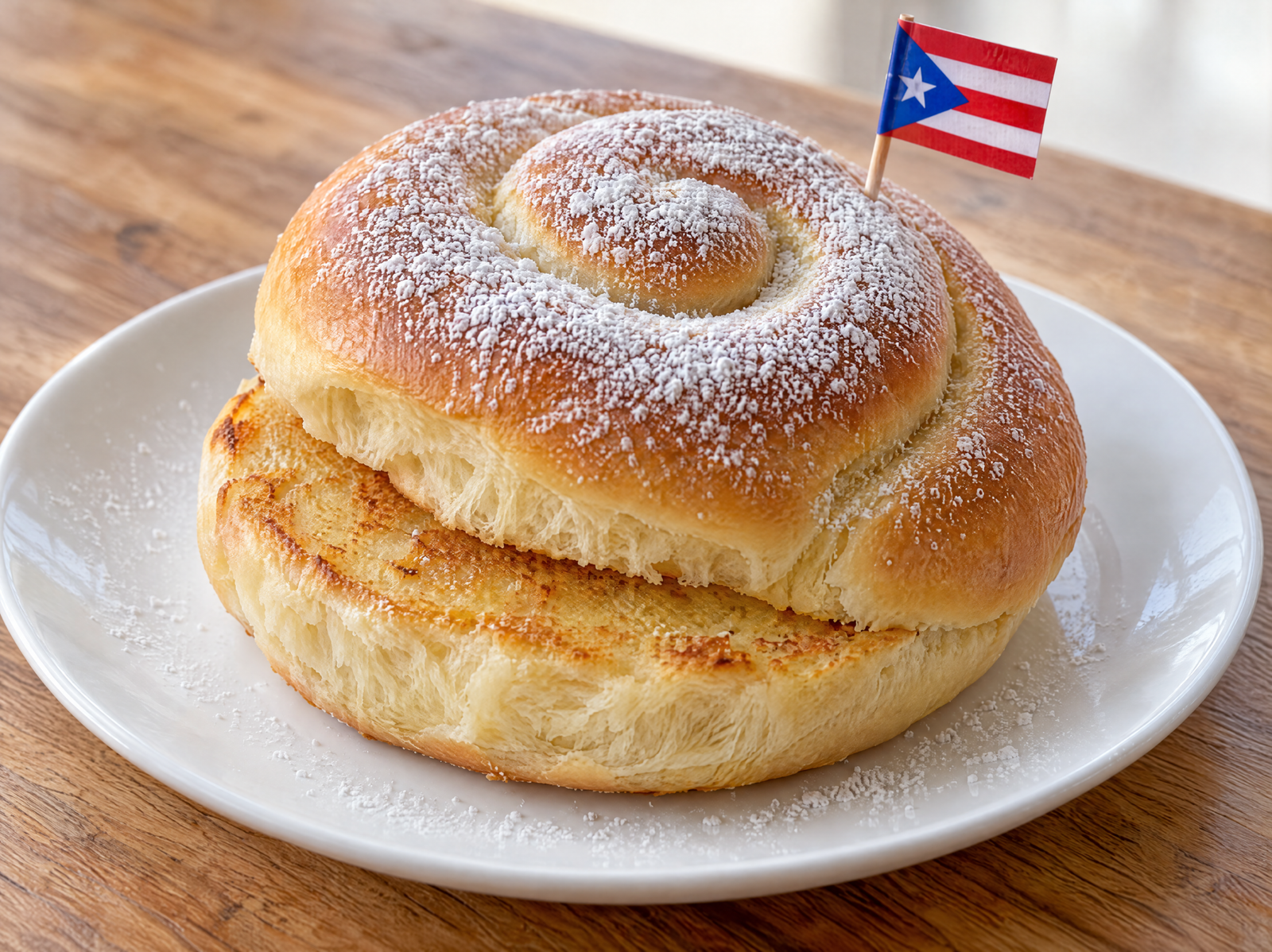
Pan de Mallorca con Mantequilla y Azúcar (Puerto Rican Sweet Rolls)
A warm mallorca doesn’t need much dressing up. Split it open, butter the cut sides, toast them lightly, and finish with a dusting of powdered sugar. The outside gets a little crisp while the bread inside stays soft—the contrast is what makes this simple preparation so appealing.
I wanted to give pan de Mallorca con mantequilla y azúcar its own place on Cocina Hacks because the bread deserves attention on its own. Ham and cheese make a wonderful filling, but butter and powdered sugar let the tender crumb and gentle sweetness come through.
This recipe starts with homemade dough and makes eight spiral rolls. It’s a baking project to plan for a slower morning or afternoon: most of the waiting comes from the two rises, and the dough needs that time to develop its lightness.
The dough should feel soft, not dry
Milk, egg yolks, and butter enrich this dough. As you knead, it should gradually become smooth and elastic, though it will still feel slightly tacky. That little bit of stickiness isn’t a reason to keep adding flour.
Start with 360 g of bread flour, weighing it if possible. Add the softened butter a few pieces at a time, allowing each addition to work into the dough before adding more. The mixture may look untidy during this stage; give the kneading time to bring it together.
Before deciding it needs extra flour, check whether the dough can stretch into a thin membrane without immediately tearing. If it remains excessively sticky after thorough kneading, add flour a teaspoon at a time. Too much can make the finished mallorcas heavier and less tender.
The first rise is ready when the dough is roughly doubled, rather than when a particular number of minutes has passed. A cool kitchen may make that take longer.
Leave room in each spiral
After the first rise, divide the dough into eight even portions. Roll each into a rope, then coil it loosely, leaving a little space between the turns. Tuck the outer end underneath to help the spiral stay together.
If a rope keeps shrinking back as you roll it, cover it and leave it for five minutes before trying again. A short rest makes shaping easier without pulling or forcing the dough.
Those gaps between the coils give the rolls room to expand. Before baking, the shaped mallorcas should look noticeably puffy, and a gentle fingertip indentation should return slowly. Tight, dense-looking coils need more rising time.
Butter first, powdered sugar last
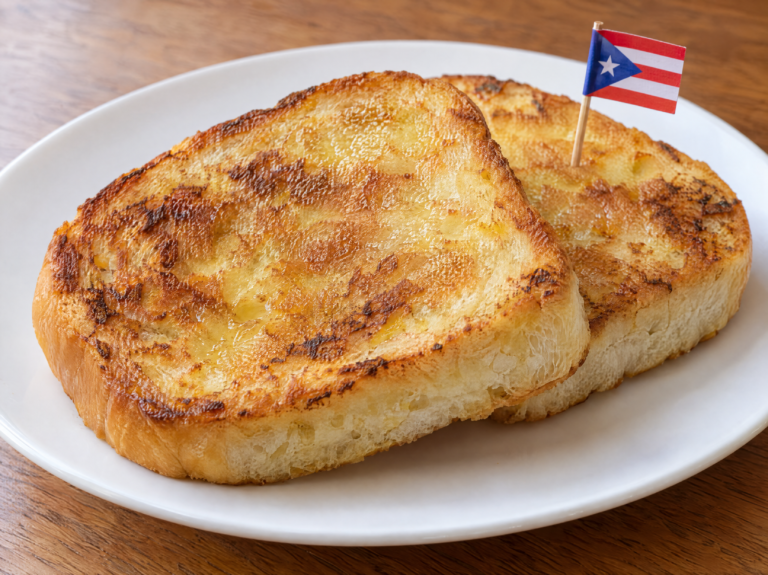
Once the baked rolls have cooled enough to slice neatly, split only the ones you’re ready to serve. Spread the softened serving butter over the cut surfaces and toast them gently in a skillet or on a griddle until lightly golden.
Finish with powdered sugar just before eating. The granulated sugar in this recipe belongs in the dough; powdered sugar gives the tops their fine white coating. Dusting too early allows warmth and moisture to dissolve it.
There’s no need to prepare all eight for serving at once. Keep the remaining rolls plain, then slice, butter, and toast them when you want another. This serving method is useful for day-old mallorcas, too.
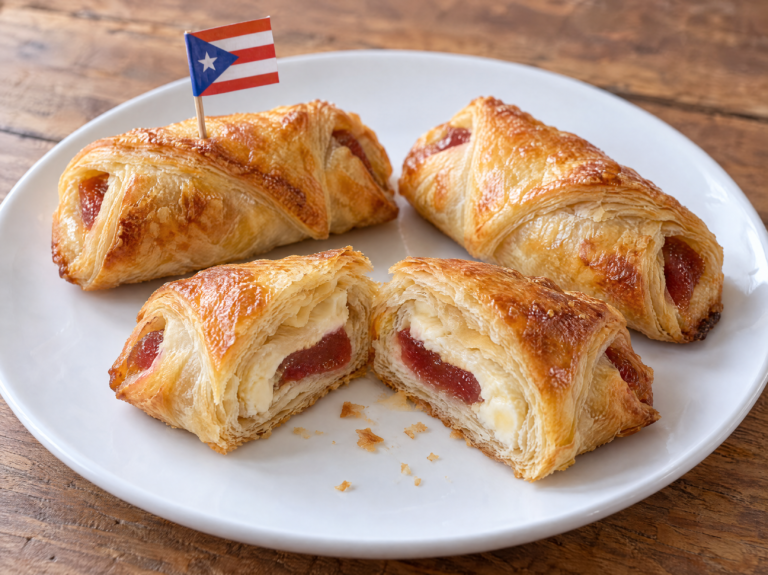
For a more substantial breakfast, use the bread in a sandwich de Mallorca con jamón y queso. If you’re planning a morning with a few things to share, quesitos de guayaba y queso bring a flaky pastry and fruity filling to the table.
How do you prefer your mallorca—with butter and powdered sugar, or filled with ham and cheese?
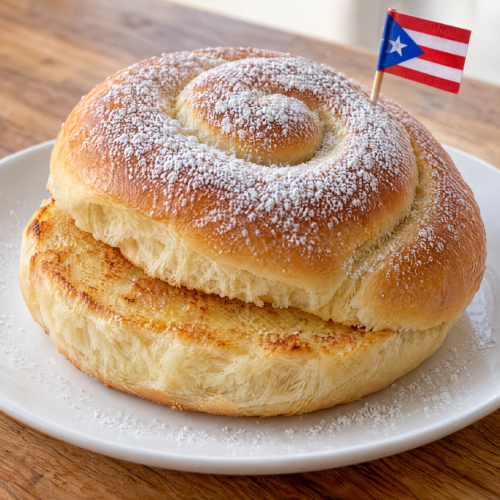
Pan de Mallorca con Mantequilla y Azúcar
Equipment
- Kitchen scale
- Measuring cups and spoons
- Large mixing bowl
- Small bowl or measuring jug
- Whisk
- Stand mixer with dough hook, or a clean surface for hand kneading
- Dough scraper or knife
- Large baking sheet
- Parchment paper
- Clean kitchen towel or reusable bowl cover
- Pastry brush
- Wire cooling rack
- Serrated bread knife
- Large skillet or griddle
- Fine-mesh sieve
- Instant-read thermometer, recommended
Ingredients
DOUGH
- 3 cups bread flour 360 g, plus a little extra only if needed
- ⅓ cup granulated sugar 67 g
- 2¼ teaspoons instant yeast 7 g
- ¾ teaspoon fine salt 4.5 g
- ½ cup whole milk 120 ml, lukewarm
- ¼ cup water 60 ml, lukewarm
- 3 large egg yolks at room temperature
- 6 tablespoons unsalted butter 85 g, softened and cut into small pieces
FOR SHAPING AND BRUSHING
- 1 tablespoon unsalted butter 14 g, melted and cooled slightly
FOR SERVING
- 4 tablespoons unsalted butter 56 g, softened
- ¼ cup powdered sugar 30 g, sifted
Instructions
- Measure the flour with a kitchen scale if possible. Combine the flour, granulated sugar, instant yeast, and salt in a large mixing bowl or the bowl of a stand mixer.
- Whisk the lukewarm milk, water, and egg yolks together. The liquids should feel gently warm, not hot.
- Add the liquid mixture to the dry ingredients. Mix until a rough dough forms and no loose flour remains. Let stand for 5 minutes to allow the flour to hydrate.
- Knead with a dough hook on the manufacturer’s recommended bread-dough setting, adding the softened butter a few pieces at a time. Allow each addition to work into the dough before adding more.
- Continue kneading until the dough is smooth, elastic, and slightly tacky, approximately 10–15 minutes total in a stand mixer. It should stretch into a thin membrane before tearing. If kneading by hand, expect it to take longer.
- If the dough remains excessively sticky after kneading, add flour 1 teaspoon at a time. Avoid adding enough flour to make it stiff or completely dry.
- Shape the dough into a ball and place it in a covered bowl. Let rise in a comfortably warm, draft-free spot for approximately 60–120 minutes, until roughly doubled in size. Use 90 minutes as the planning estimate.
- Line a large baking sheet with parchment paper. Gently deflate the risen dough and divide it into 8 equal portions, approximately 94 g each.
- Roll each portion into a short rope. If the dough resists stretching, cover and let rest for 5 minutes. Continue rolling into a rope approximately 16–18 inches long.
- Brush each rope very lightly with some of the melted shaping butter. Coil it loosely into a spiral on the baking sheet, leaving a little space between the turns for expansion. Tuck the outer end underneath. Leave approximately 3 inches between the rolls.
- Cover loosely and let rise for approximately 45–75 minutes, until noticeably puffy and expanded. A gentle fingertip indentation should return slowly rather than springing back immediately.
Your missing steps